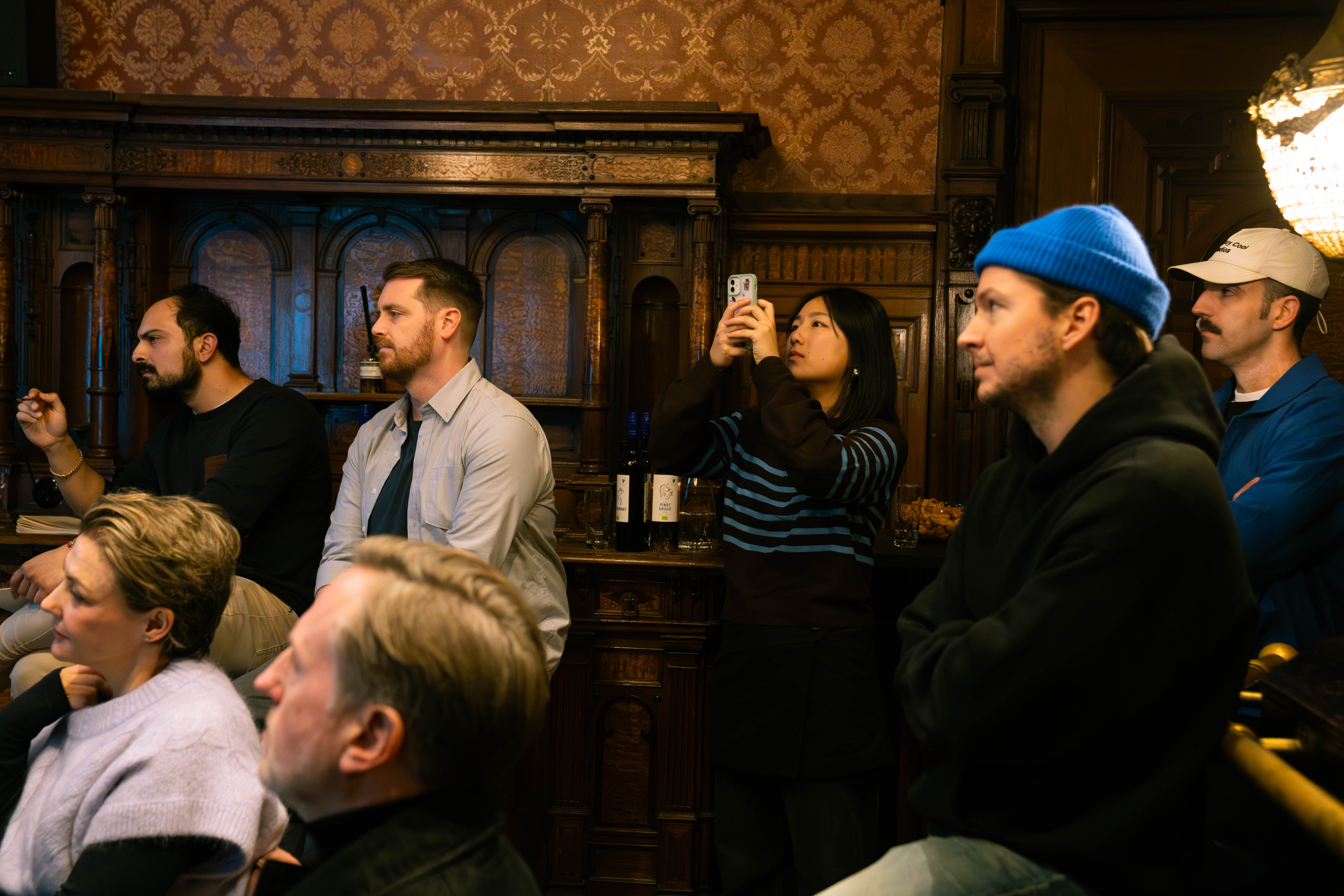
At our first Cutting Room gathering, we set out to talk about community.
Not as a buzzword. Not as a KPI. But as something lived.
We didn’t begin with definitions. We began with a question:
Where is the line between organic community and manufactured community?
And can brands genuinely build community — or are they simply buying proximity to it?
Organic vs. Manufactured
The distinction is subtle but instinctive.
Organic communities tend to form around shared passion, shared need, or shared circumstance. They emerge because people are pulled toward something — a sport, a cause, a creative practice, an identity.
Manufactured communities often begin the other way around. A brand defines the container, then invites people to step inside it.
That doesn’t automatically make them hollow. But it does shift the power dynamic.
The tension in the room was this:
Is a brand creating space for community, or is it monetising the appearance of one?
We didn’t resolve it. But we sat with it.
"It doesn't ask 'what do I get'? It asks 'who's here?'"
Community as Life Raft
One idea that resonated deeply was that real community feels more like a life raft than a marketing channel.
It’s something you reach for when you need grounding, solidarity, or shared momentum.
Run clubs came up. Not the branded ones, but the ones built week after week through consistency and care. The drinks after the run. The unglamorous tasks — carrying bags, taking photos, designing merch — offered freely because you believe in what’s being built.
Mateo shared his experience of building a club around shared passion. Luna quietly documented the event itself — almost reflecting the conversation back to us in real time.
In these spaces, contribution isn’t transactional. It’s reciprocal. A kind of tit-for-tat with little expectation of return beyond connection.
Community, in that sense, is not engagement.
It’s participation without immediate extraction.
The Brand Question
Brands inevitably entered the discussion.
Soho House came up. The credibility question. The economics behind accessibility. The reality that some spaces feel communal but are funded in ways that complicate the narrative.
Can a paid membership model create real belonging?
Perhaps.
But belonging cannot be purchased outright. It can only be practiced.
The more brands claim to “build community,” the more scrutiny they invite. Not because it’s impossible — but because community requires humility, patience, and shared ownership. It cannot be fully controlled.
Community in the Room
Something else happened that morning.
A community formed — briefly — inside the room itself.
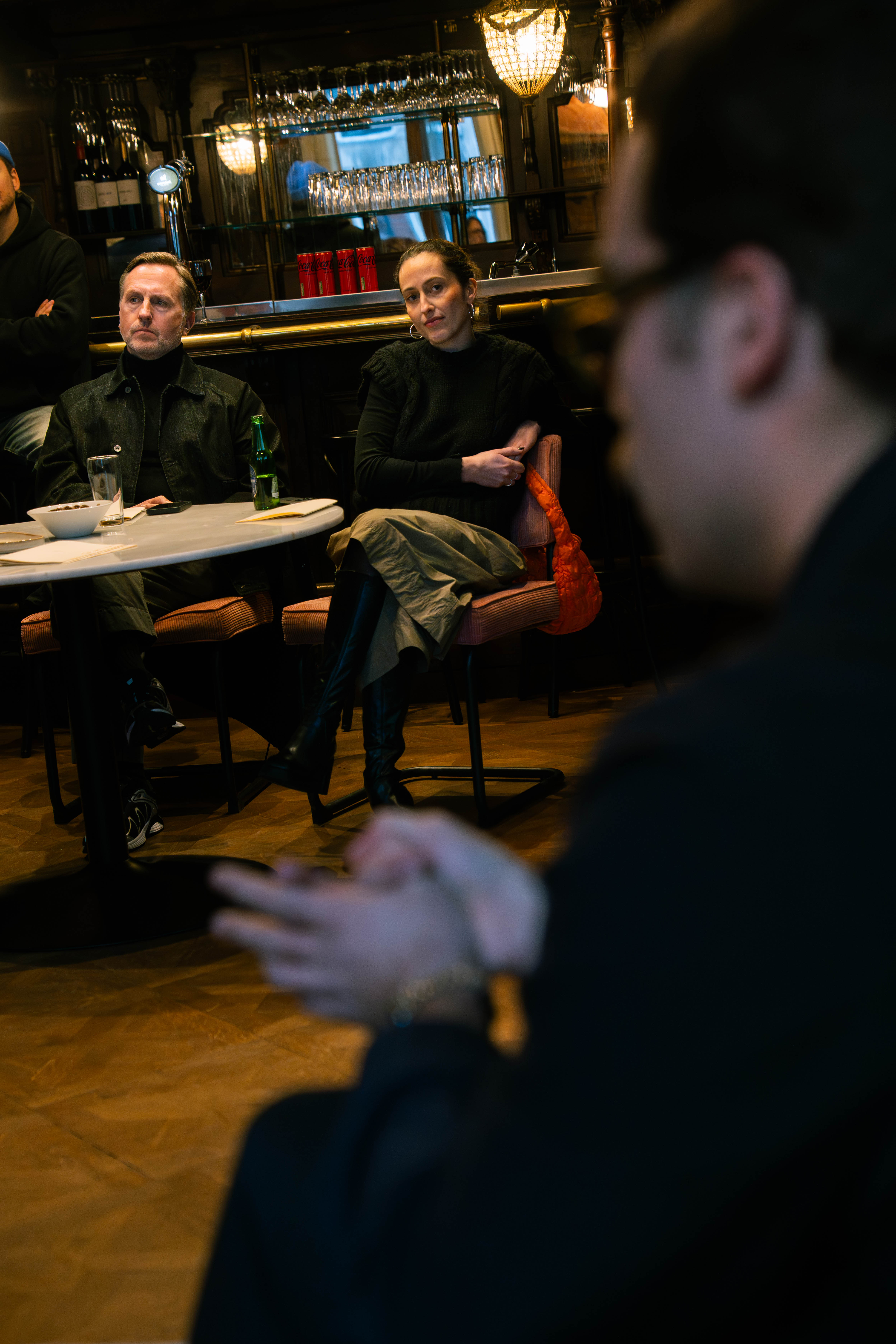
Thirty to forty people, across disciplines and experiences, speaking and listening with care. Disagreeing. Building on each other’s thoughts.
There were imperfections. Some people spoke more than others. Some didn’t speak at all. We noticed the imbalance. We’ll adjust — smaller groups, different formats, better facilitation.
Community, after all, is iterative.
No Definitions, Just Practice
We didn’t leave with a neat definition.
We didn’t agree on a singular answer.
But we did clarify something important:
Community is not something you activate.
It’s something you practice.
It requires time, presence, and contribution without immediate reward. It asks for something beyond purchase or performance.
And perhaps that’s the work ahead — for brands, for creatives, and for spaces like The Cutting Room.
Not to perfect the idea of community.
But to keep practicing it.