Why the past matters more than ever.
Nostalgia isn’t about going backwards.
It’s about reaching for something that feels steady when the world feels anything but.
In branding today, nostalgia is having a quiet resurgence; not as retro aesthetics, but as emotional architecture. A way of grounding modern brands in stories, symbols and sensibilities that remind us who we are, not just what we consume.
We’re living through a time of rapid acceleration. AI, automation, cultural noise, too much choice and too little certainty. In moments like this, people look for brands that feel familiar, human, and rooted in something real. Nostalgia gives brands that anchor point.
Heritage brands know this instinctively.
Birkenstock reintroduced its archive imagery and early prototypes, reframing a “sensible shoe” as a long-standing cultural icon. The past became proof of relevance, not a relic.
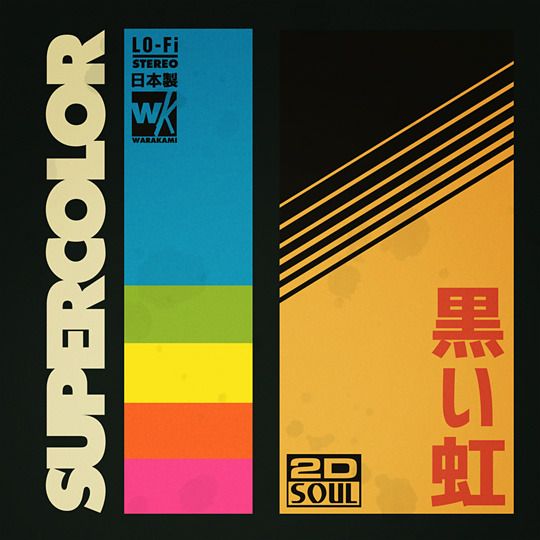
McDonald’s leaned into ’80s and ’90s visual memory, from Grimace to lo-fi packaging cues. Helping younger consumers build new memories around something they never actually lived.
Nike keeps tapping early brand photography, original type treatments and classic silhouettes, not to repeat history, but to recontextualise it for modern culture.
Polaroid embraced its analog imperfections as virtues in a digital-perfect world. The brand didn’t modernise away from its heritage; it amplified it.
These brands aren’t imitating their past. They’re interpreting it, turning heritage into a storytelling material.
"Symbols and sensibilities that remind us who we are, not just what we consume."
Nostalgia works because it creates emotional coherence.
People don’t resonate with brands because they’re new. They resonate because they feel true. Nostalgia brings truth into the present tense:
It builds trust through continuity.
It creates warmth in a cold, hyper-digital world.
It gives modernity a soul.
It turns old codes into fresh cultural currency.
It’s less about revival and more about recognition.
Less about “retro,” more about remembering what matters.


For modern brands, nostalgia is not about aesthetics, it’s about reassurance.
Even new brands are using it.
The rise of “neo-heritage” — young brands borrowing the warmth, simplicity and steadiness of older design languages — is a signal that nostalgia isn’t tied to age, but to emotion.
Conclusion
It’s a way of saying:
“You can trust us. We’re here. We’re human.”
In a landscape dominated by speed and noise, nostalgia becomes a design tool that slows people down just enough to let something meaningful land.